Background
Plastic pollution is a major environmental challenge in the coastal city of Douala, Cameroon. Limited waste management infrastructure means that large quantities of plastic waste end up in the environment, affecting waterways, rivers, and natural habitats.
Our local partner, Madiba & Nature, is committed to protecting the environment, collecting plastic waste, and developing innovative recycling solutions. The organization is particularly known for its Ecoboats: boats made from reused plastic bottles that demonstrate how discarded materials can become valuable resources.
Our joint project
Since 2022, Technology without Borders has been supporting Madiba & Nature in strengthening the technical foundations needed to sustain and develop its environmental activities.
As the project progressed, it became clear that improving the existing infrastructure was an essential first step towards maintaining reliable recycling operations. Together, we therefore focused on improving working conditions and restoring key technical facilities.
Important progress was achieved in several areas:
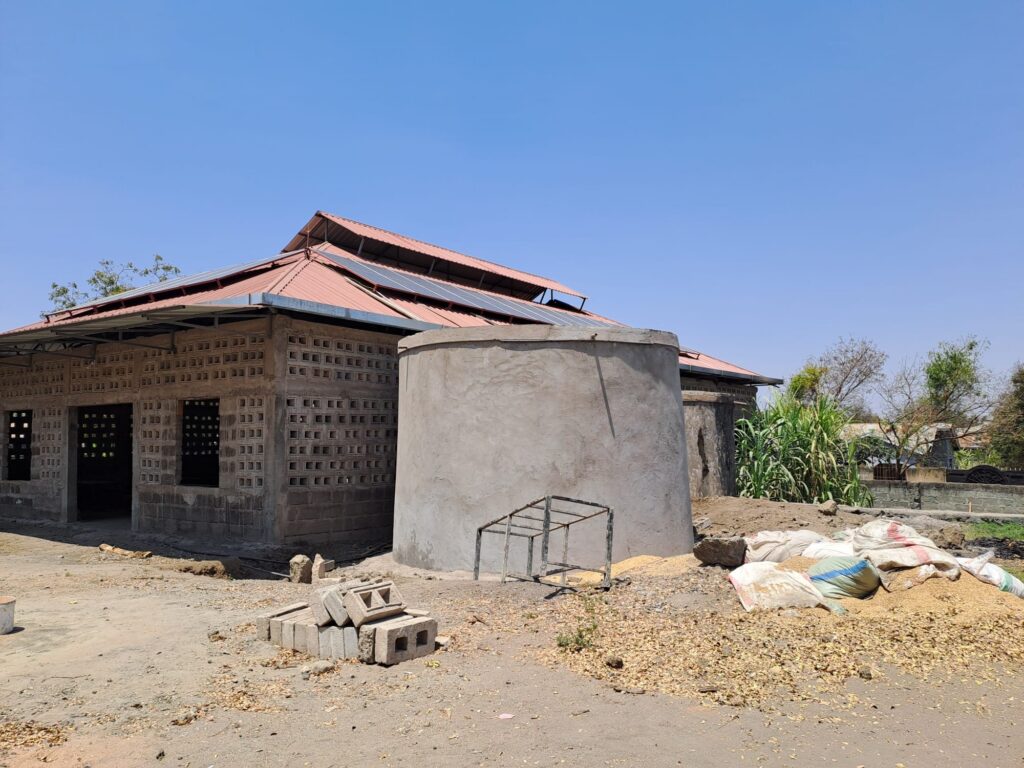
- A protected workshop: A new fenced workshop with a sheltered machinery area provides a secure space for technical equipment and improves storage and maintenance conditions.
- Improved electricity supply: Approximately 1.5 kilometres of damaged high-voltage electrical cable were restored, helping to establish a more reliable and safer power supply.
- Restoration of recycling equipment: Work on the hydraulic baling press was advanced. This machine plays an important role in processing collected plastic waste and making it easier to store and transport.
- Stronger operational capacity: The improved facilities and technical infrastructure help Madiba & Nature continue its environmental work and prepare for future development.
Lasting impact
With the project completed at the end of 2026, an important foundation has been established for Madiba & Nature’s continued work. The new workshop represents a long-term investment in local infrastructure, while the improved electricity supply and progress on recycling equipment support the development of more reliable recycling processes.
As Madiba & Nature owns the project site, the infrastructure can be used and further developed over the long term. The organization also brings valuable experience in environmental education, community-based waste collection, and innovative approaches to material reuse.
The project therefore helps strengthen local capacity for plastic waste management and creates better conditions for future environmental protection and education activities.
Building on our achievements
This collaboration highlights the importance of adapting technical solutions to the real needs of our partners. Progress does not always follow the original plan. Sometimes, the most important step is to establish the foundations that make lasting impact possible.
Looking ahead, further opportunities include improving transport for plastic waste collection, expanding recycling capacity, and developing the Ecoboats initiative as a visible example of creative reuse and circular economy principles.
We would like to thank Ismael Essome Ebone and the entire Madiba & Nature team for their collaboration and continued commitment to environmental protection in Cameroon.
Sustainable Development Goals