
Eco Plastic Week Celebration 2026
About the Project
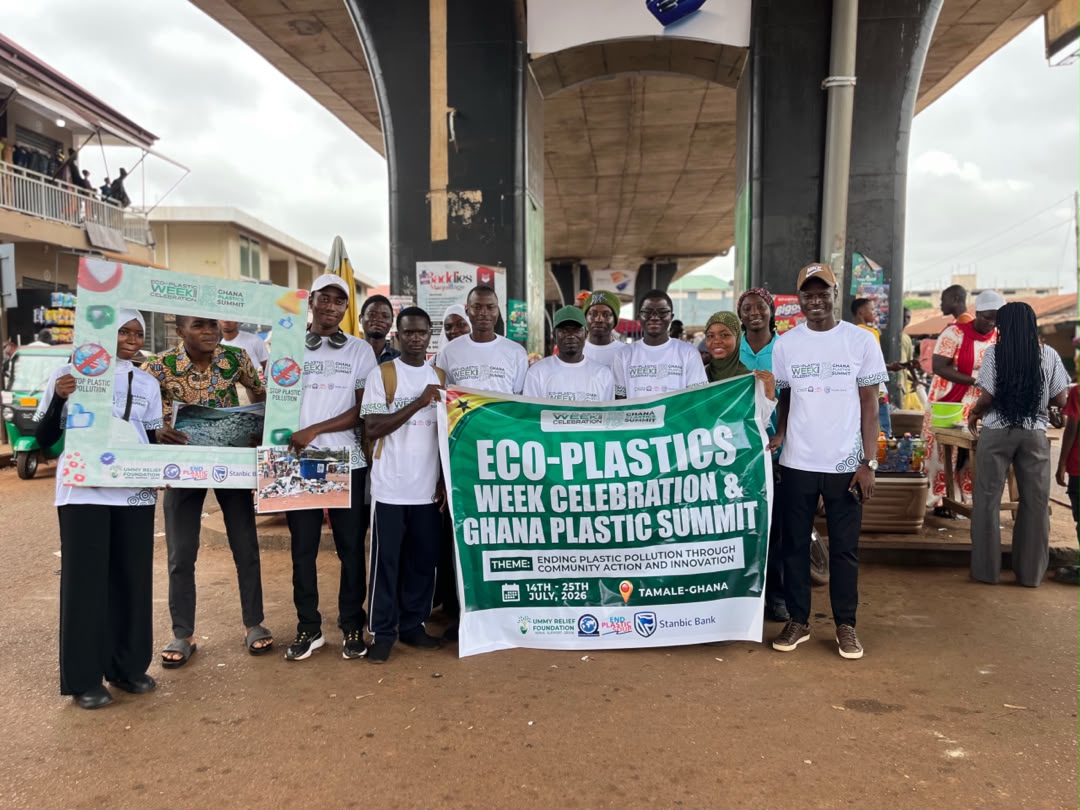 The Eco Plastic Week Celebration is an annual programme established to address Ghana's plastic waste situation through a coordinated series of activities. Now in its third edition since its inception in 2024, the 2026 celebration was convened under the theme "Ending Plastic Pollution Through Community Action and Innovation." The programme convened government institutions and agencies, community leaders, non-governmental organisations, private enterprises, and educational institutions, engaging the full range of actors whose participation is required to address Ghana's plastic situation effectively. The multi-day 2026 celebration was organised through a partnership comprising Technology Without Borders, Ummy Relief Foundation and EndPlasticSoup, with Stanbic Bank serving as co-sponsor. Approximately 200 individuals registered to participate across the programme's various activities.
The celebration formally opened on 14th July with an online launch, attended by over 40 participants. Two principal speakers addressed the audience: Dr.-Ing. Frank Neumann, a German engineer and Founder of Technology Without Borders, addressed the global plastic situation, including its effects on the environment, human health, and agriculture, and the scale of oceanic garbage patches, calling for coordinated global action. Fareeda Amankwa-Gabby addressed plastic innovation, encouraging young people to pursue opportunities in plastic waste innovation as a means of addressing the plastic situation while generating sustainable livelihoods.
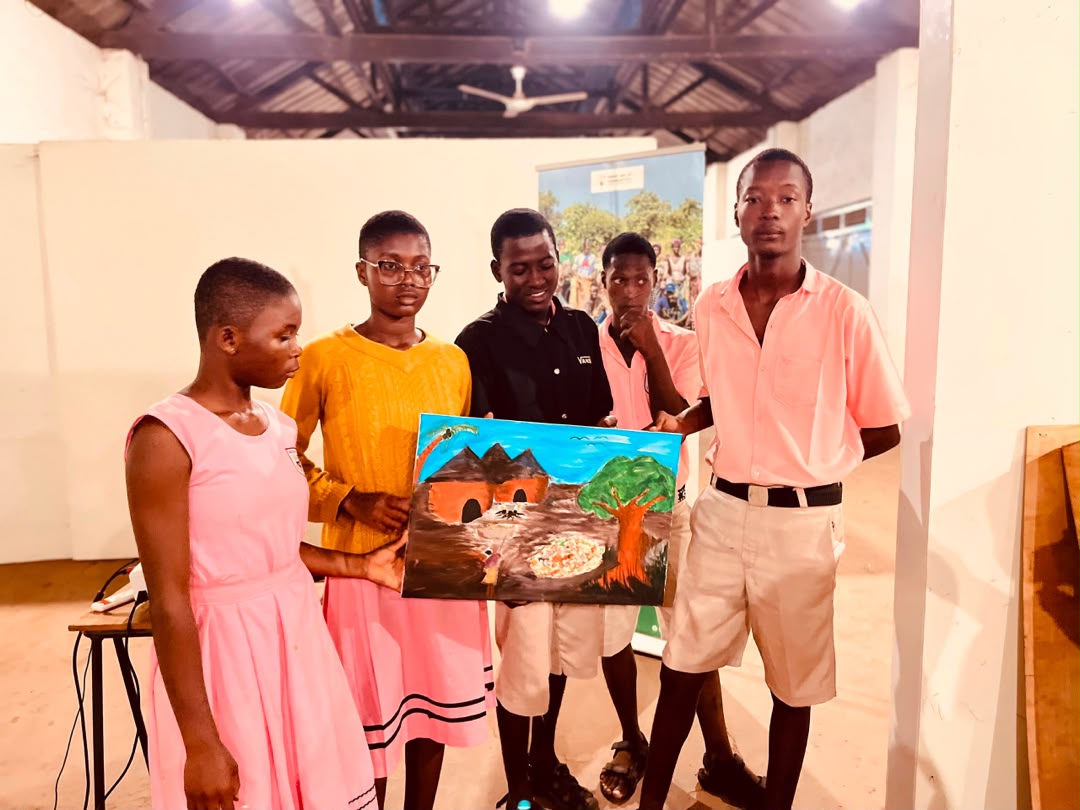
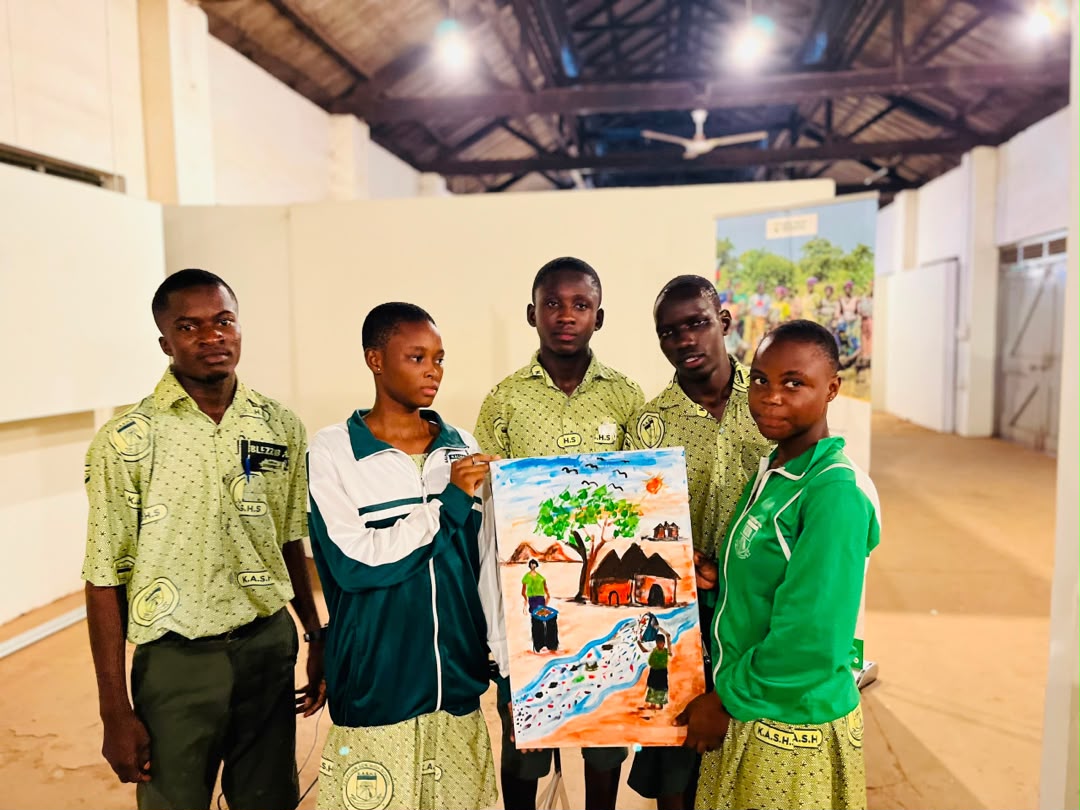
The second activity of the celebration was the Plastic Art and Upcycling Exhibition. Four senior high schools were represented each sending a delegation of four students and one teacher. Participants were first briefed on the plastic situation in Ghana and viewed video documentaries addressing its consequences, with particular attention to flooding and agriculture. A facilitated discussion followed to elicit participants' own perspectives on plastic waste, which produced a range of views. Following the discussion, participants were invited to express their perspectives on the plastic situation through drawing and painting. The exhibited works addressed both the problem — irresponsible dumping and its consequences — and potential solutions, including recycling and waste segregation, collectively illustrating the full plastic life cycle from production through use to disposal, and how it may be properly managed.
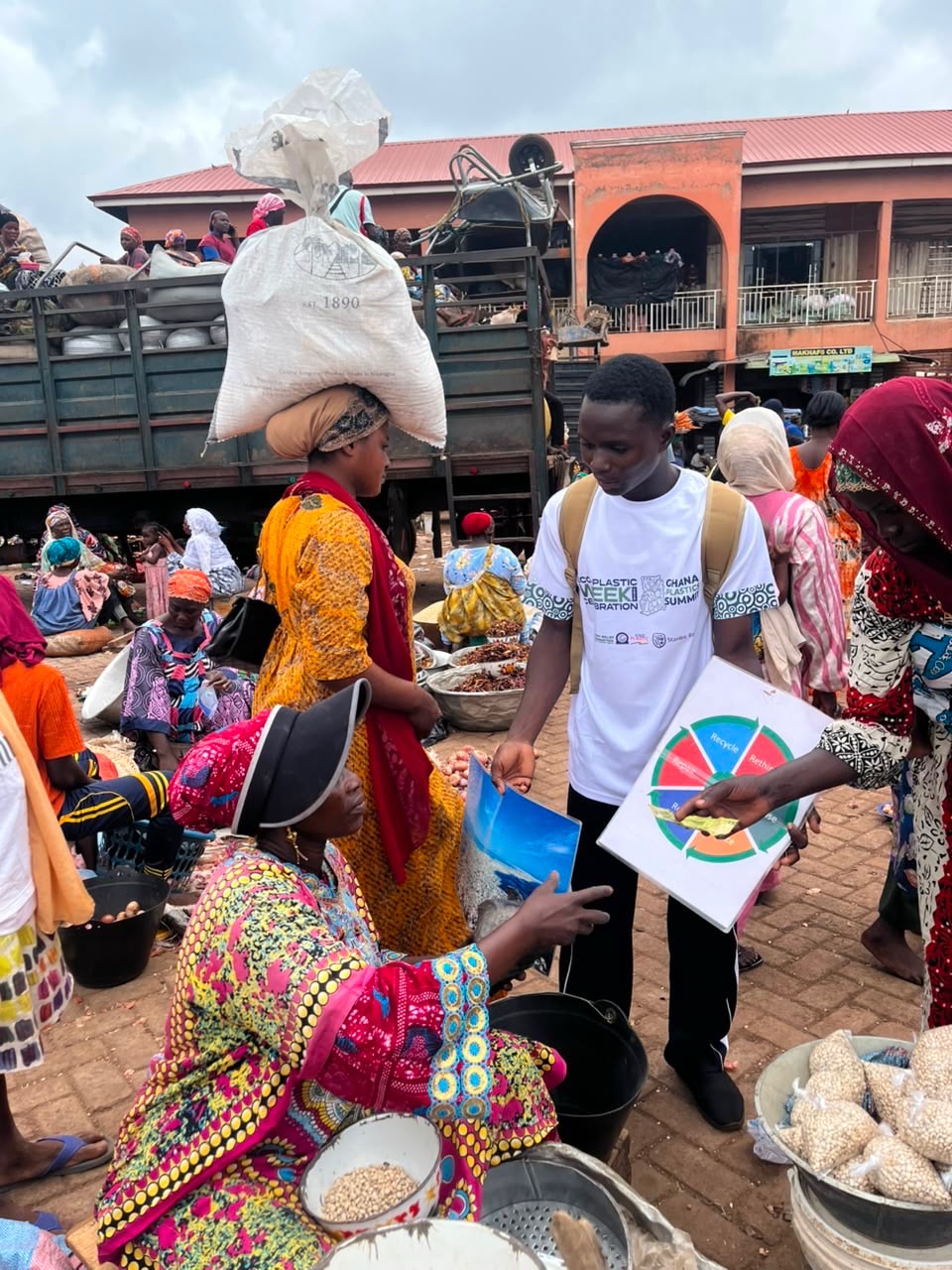
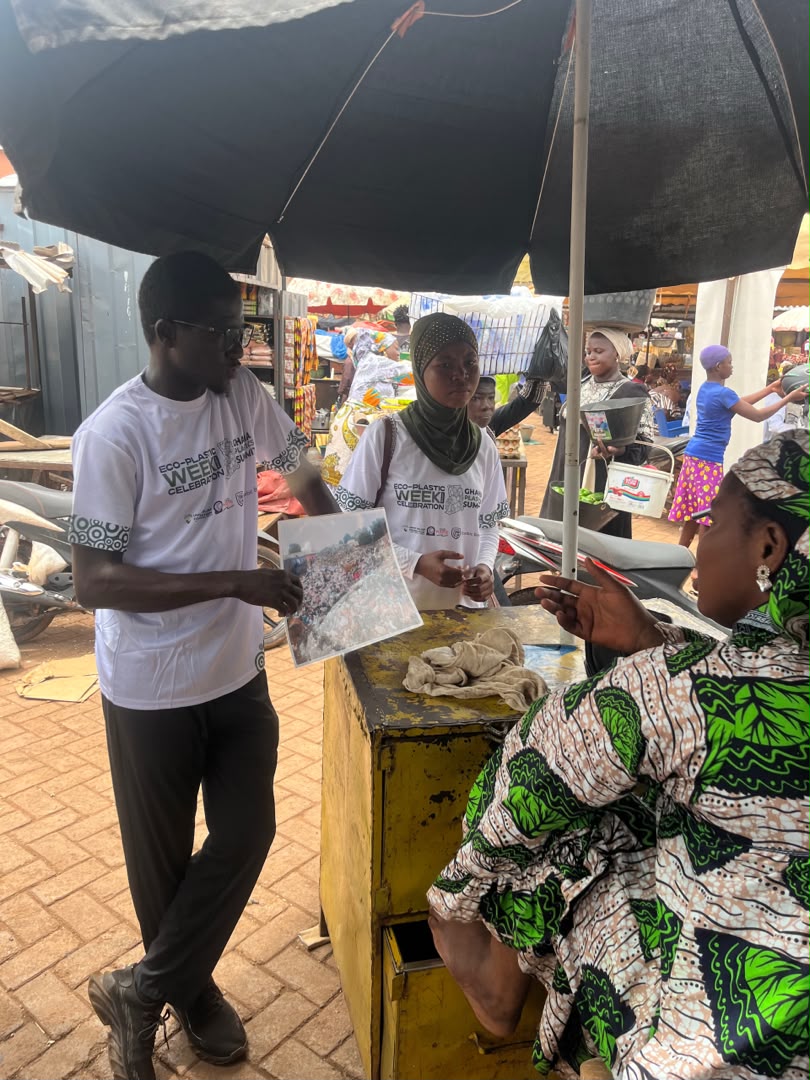
The Market Sensitisation and Health Walk, held on 18th July, targeted "Poli Yagu Ni," a section of Tamale market occupied predominantly by women trading in vegetables and other goods packaged in small polythene bags, and consequently a significant source of plastic waste. The sensitisation addressed the need for responsible waste disposal and encouraged traders to reduce single-use plastic consumption by grouping similar items into a single bag for customers. The facilitation team introduced the reduce, refuse, and reuse framework as applicable to traders' daily operations and their customers. During the sensitisation, the team also solicited traders' own account of the challenges they face. When invited to offer recommendations, traders called for the provision of a waste tank at the market, even where its collection and maintenance would carry a fee and expressed clear willingness to embrace any resulting initiative. In total, the market sensitisation reached more than 1,000 market women and men.
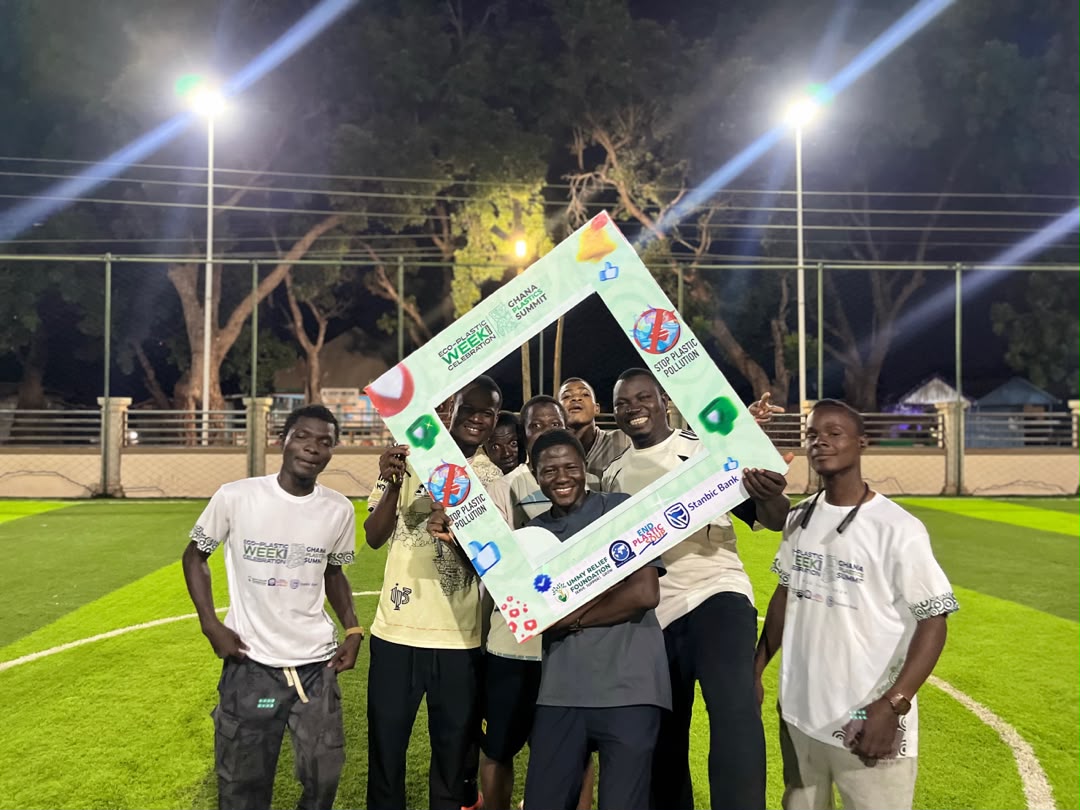
Following the market sensitisation, the Eco-Plastic Volunteers played a friendly football match against the Ghana Offline Community as a closing social activity for the celebration. Beyond the match itself, the occasion was used to educate the participating youth on Ghana's plastic waste situation and to encourage collective action toward building sustainable, community-driven solutions to the problem.
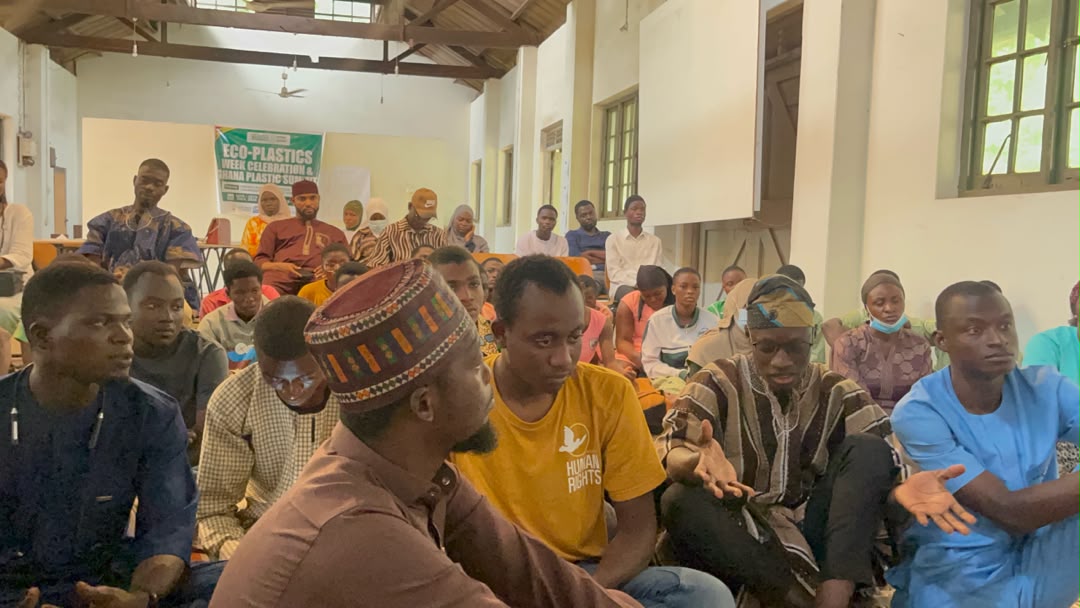
Newly introduced in the 2026 celebration, the Ghana Plastic Summit was a multi-stakeholder conference convening experts in waste management — spanning government institutions, private businesses, and non-governmental organisations — to examine Ghana's plastic waste situation with a youth audience and, collectively, to identify solutions and opportunities within the sector. The Summit was chaired by Chief Sabtanaa, the local sanitation chief of Tamale, and held at the Aliu Mahama Sports Stadium before 150 participants. Three presenters addressed the audience: Dr. Ralf Thiel and Dr. Jannik Mechau addressed the global state of plastics and their environmental impact. Dr Thiel placed particular emphasis on microplastics, an issue they identified as widely underappreciated and poorly understood by the public. Jannik presented Technik ohne Grenzen e.V. and our projects in Ghana that tackle the waste problem. Mr. Hamidu addressed the state of plastics in Ghana, informing the youth audience of the waste management opportunities available within Tamale and the regulatory framework governing the country's plastic situation. The presentations were followed by a panel discussion comprising three discussants selected for the diversity of their perspectives, spanning waste management, private enterprise, and animal welfare. An open forum afforded participants the opportunity to contribute their own perspectives and to seek clarification on matters raised during the proceedings. Plastic-waste-themed activities, including word games, were incorporated throughout the programme to sustain audience engagement. At the conclusion of the programme, participants offered feedback on the insights gained, characterising the event as inspiring, and expressed a clear demand for further programmes of this nature, citing the substantial impact of the day's proceedings.
We would like to thank all contributing parties, including EndPlasticSoup and Stanbic Bank, for their financial support.
(Abdul Rashid Wumpini Alhassan, RG Tamale)
The Eco Plastic Week Celebration is an annual programme established to address Ghana's plastic waste situation through a coordinated series of activities. Now in its third edition since its inception in 2024, the 2026 celebration was convened under the theme "Ending Plastic Pollution Through Community Action and Innovation." The programme convened government institutions and agencies, community leaders, non-governmental organisations, private enterprises, and educational institutions, engaging the full range of actors whose participation is required to address Ghana's plastic situation effectively. The multi-day 2026 celebration was organised through a partnership comprising Technology Without Borders, Ummy Relief Foundation and EndPlasticSoup, with Stanbic Bank serving as co-sponsor. Approximately 200 individuals registered to participate across the programme's various activities.
The celebration formally opened on 14th July with an online launch, attended by over 40 participants. Two principal speakers addressed the audience: Dr.-Ing. Frank Neumann, a German engineer and Founder of Technology Without Borders, addressed the global plastic situation, including its effects on the environment, human health, and agriculture, and the scale of oceanic garbage patches, calling for coordinated global action. Fareeda Amankwa-Gabby addressed plastic innovation, encouraging young people to pursue opportunities in plastic waste innovation as a means of addressing the plastic situation while generating sustainable livelihoods.
The second activity of the celebration was the Plastic Art and Upcycling Exhibition. Four senior high schools were represented each sending a delegation of four students and one teacher. Participants were first briefed on the plastic situation in Ghana and viewed video documentaries addressing its consequences, with particular attention to flooding and agriculture. A facilitated discussion followed to elicit participants' own perspectives on plastic waste, which produced a range of views. Following the discussion, participants were invited to express their perspectives on the plastic situation through drawing and painting. The exhibited works addressed both the problem — irresponsible dumping and its consequences — and potential solutions, including recycling and waste segregation, collectively illustrating the full plastic life cycle from production through use to disposal, and how it may be properly managed.
The Market Sensitisation and Health Walk, held on 18th July, targeted "Poli Yagu Ni," a section of Tamale market occupied predominantly by women trading in vegetables and other goods packaged in small polythene bags, and consequently a significant source of plastic waste. The sensitisation addressed the need for responsible waste disposal and encouraged traders to reduce single-use plastic consumption by grouping similar items into a single bag for customers. The facilitation team introduced the reduce, refuse, and reuse framework as applicable to traders' daily operations and their customers. During the sensitisation, the team also solicited traders' own account of the challenges they face. When invited to offer recommendations, traders called for the provision of a waste tank at the market, even where its collection and maintenance would carry a fee and expressed clear willingness to embrace any resulting initiative. In total, the market sensitisation reached more than 1,000 market women and men.
Following the market sensitisation, the Eco-Plastic Volunteers played a friendly football match against the Ghana Offline Community as a closing social activity for the celebration. Beyond the match itself, the occasion was used to educate the participating youth on Ghana's plastic waste situation and to encourage collective action toward building sustainable, community-driven solutions to the problem.
Newly introduced in the 2026 celebration, the Ghana Plastic Summit was a multi-stakeholder conference convening experts in waste management — spanning government institutions, private businesses, and non-governmental organisations — to examine Ghana's plastic waste situation with a youth audience and, collectively, to identify solutions and opportunities within the sector. The Summit was chaired by Chief Sabtanaa, the local sanitation chief of Tamale, and held at the Aliu Mahama Sports Stadium before 150 participants. Three presenters addressed the audience: Dr. Ralf Thiel and Dr. Jannik Mechau addressed the global state of plastics and their environmental impact. Dr Thiel placed particular emphasis on microplastics, an issue they identified as widely underappreciated and poorly understood by the public. Jannik presented Technik ohne Grenzen e.V. and our projects in Ghana that tackle the waste problem. Mr. Hamidu addressed the state of plastics in Ghana, informing the youth audience of the waste management opportunities available within Tamale and the regulatory framework governing the country's plastic situation. The presentations were followed by a panel discussion comprising three discussants selected for the diversity of their perspectives, spanning waste management, private enterprise, and animal welfare. An open forum afforded participants the opportunity to contribute their own perspectives and to seek clarification on matters raised during the proceedings. Plastic-waste-themed activities, including word games, were incorporated throughout the programme to sustain audience engagement. At the conclusion of the programme, participants offered feedback on the insights gained, characterising the event as inspiring, and expressed a clear demand for further programmes of this nature, citing the substantial impact of the day's proceedings.
We would like to thank all contributing parties, including EndPlasticSoup and Stanbic Bank, for their financial support.
(Abdul Rashid Wumpini Alhassan, RG Tamale)
Gallerie
Information
Project number
Project Leader

jannik.mechau
Regional Groups
- Tamale
Project members
Abdul Rashid Wumpini Alhassan
Alhassan Issahaku
Abdul-Rahim Ziblim
Project Category
 Waste
Waste Timespan
July 2026 - July 2026
Project stage
finished
News
No entries.